Welcome to Affordable Wildlife Removal’s informative page on the activities of rats in your attic. Rats are common pests that can cause significant damage to your property and pose health risks to your family. In this page, we’ll dive into the behaviors and habits of rats in attics, highlighting the importance of professional wildlife removal.
1. Nesting:
Rats often seek warm and sheltered spaces to build their nests, also attics provide an ideal environment. They will use insulation, paper, fabric, and other materials to create nests for breeding and raising their young. Their nesting activities can damage insulation and compromise the structural integrity of your attic.
2. Chewing and Gnawing:
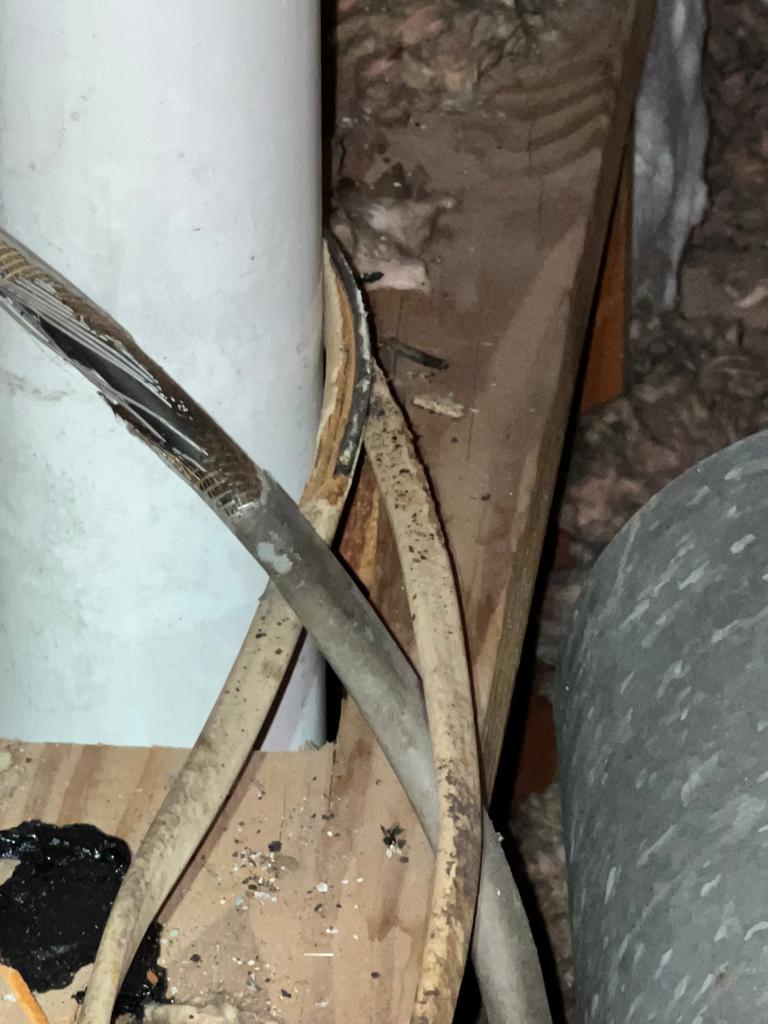
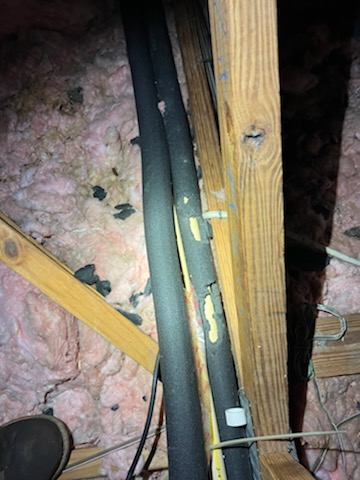
Rats have strong teeth that grow continuously, so they constantly chew on various materials to keep their teeth from becoming too long. Unfortunately, this behavior can lead to damage to electrical wires, wooden beams, and pipes, increasing the risk of fires and water leaks.
3. Food Storage:
Rats are opportunistic feeders and will store food in safe spots within your attic. This behavior can attract other pests and promote unsanitary conditions in your home. The presence of food can also encourage rats to stay and reproduce, exacerbating the infestation.
4. Nocturnal Activities:
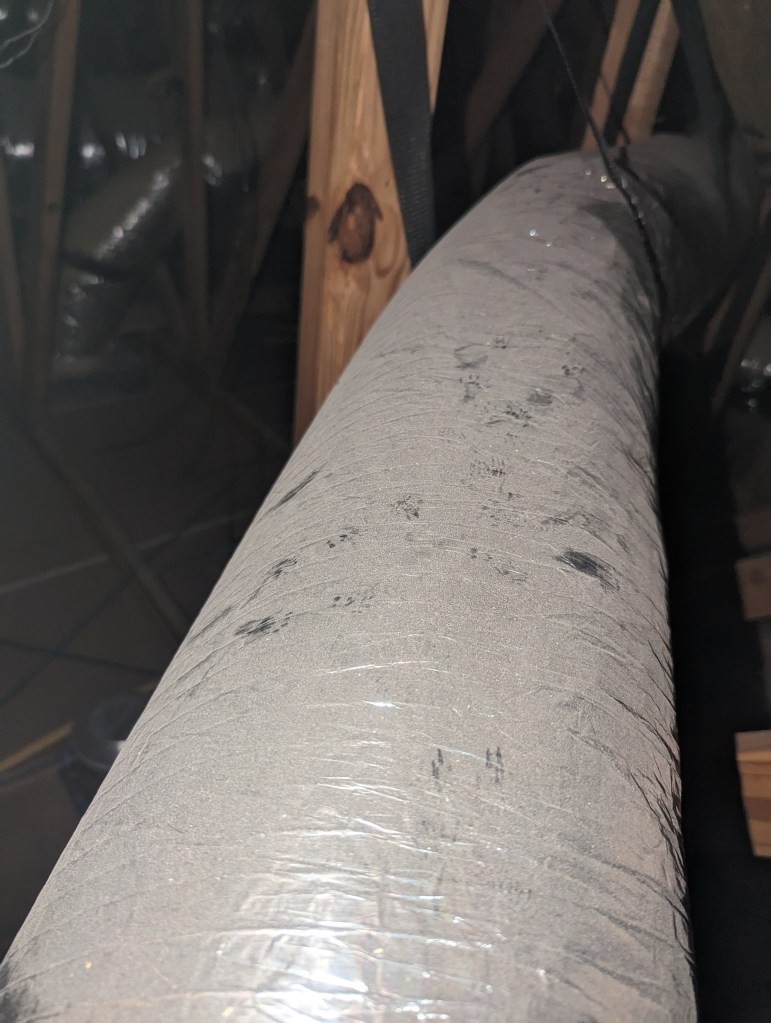
Rats are primarily nocturnal creatures, meaning they are most active during the night. You may hear scratching, scurrying, and squeaking sounds as they move around, making it difficult for you to sleep peacefully. Their nocturnal behavior can also make it challenging to detect the infestation early.
5. Breeding and Population Growth:
Rats reproduce quickly, with a single pair capable of producing several litters in a year. This rapid breeding cycle can lead to a large population in a short amount of time. Attics provide rats with a safe and secluded space to give birth and raise their offspring, making early intervention crucial to preventing a full-blown infestation.
6. Health Risks:
Rats carry diseases that can be transmitted to humans through contact with their droppings, urine, and saliva. Hantavirus, leptospirosis, and salmonella are some of the illnesses associated with rat infestations. Additionally, allergens from rat dander and feces can worsen respiratory conditions, especially in sensitive individuals.
Conclusion:
Understanding the activities of rats in your attic highlights the urgency of addressing a rat infestation promptly. Their nesting, chewing, breeding, and potential health risks underscore the importance of seeking professional wildlife removal services. If you suspect a rat infestation in your attic, contact our experienced team to safely and effectively address the issue, protecting your property and your family’s well-being.
 321-329-3012