**For expert removal call 321-329-3012**
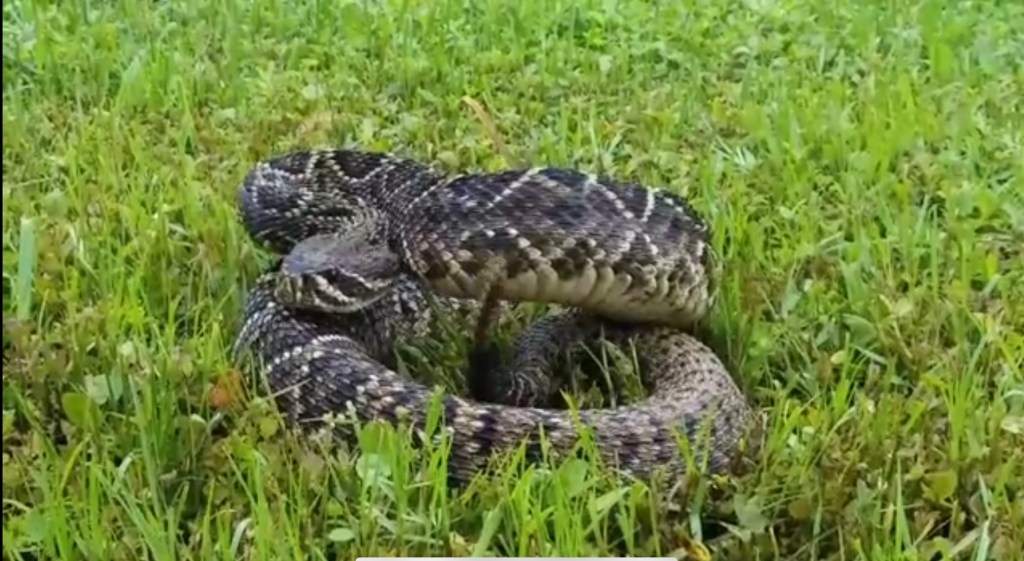

Venomous-
The Eastern Diamondback Rattlesnake. Highly venomous this is one of the more dangerous snakes we have in our state. Because of their willingness to strike without rattling their tail makes these guys more prone to accidental bites. Always give them their space and never try to handle on your own.
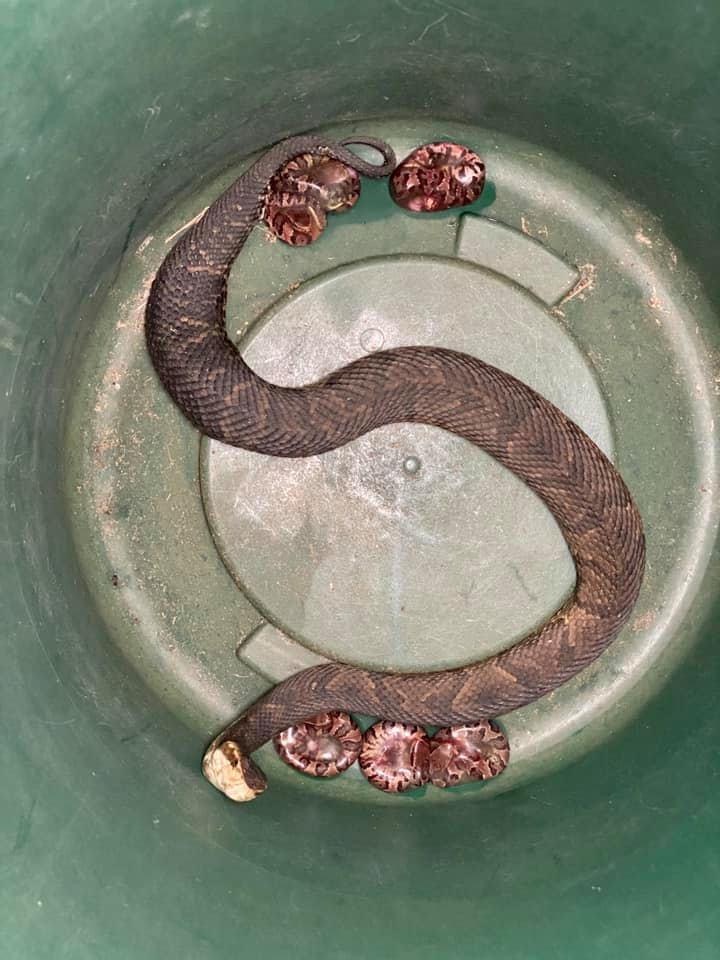
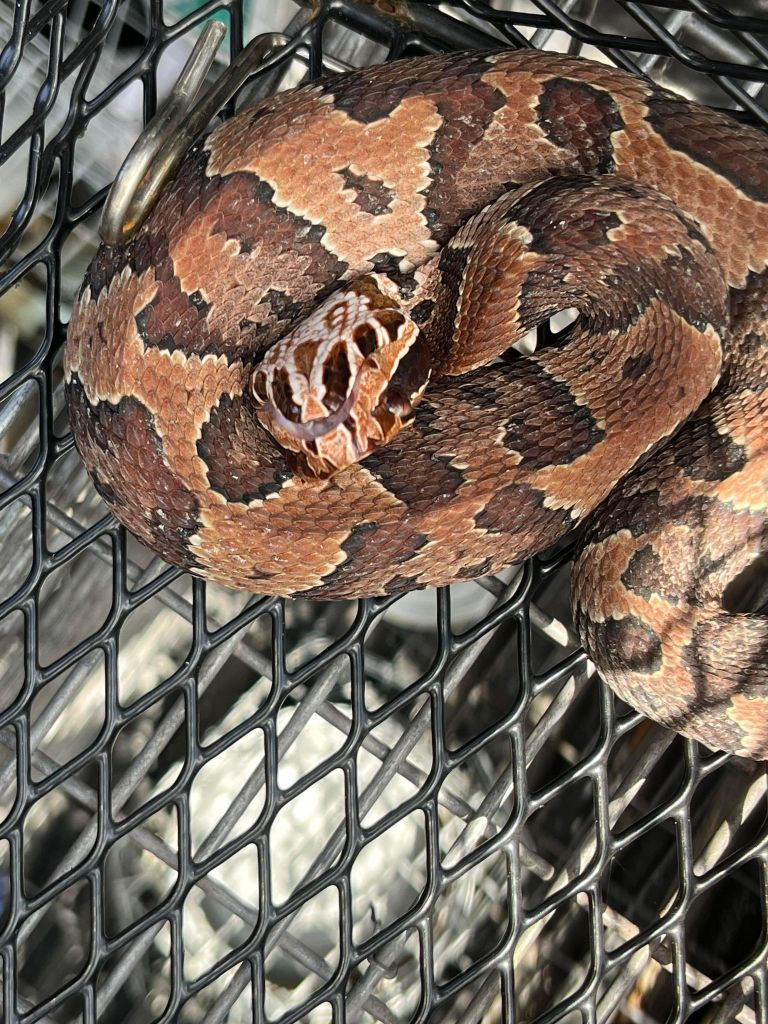
Venomous-
The water moccasin or cotton mouth probably has the worst reputation not only in Central Florida but throughout the entire southeast. Everyone has a story about being chased by one of these snakes. If not them then their uncles friends neighbors cousin has been. We have documented thousands of encounters with these great critters and not one time have we been chased. Typically it’s the opposite they always try and get away. While yes they are extremely venomous with a hemotoxin venom that breaks down the tissue, they mean no harm if seen either give them their space or call a professional to handle them.
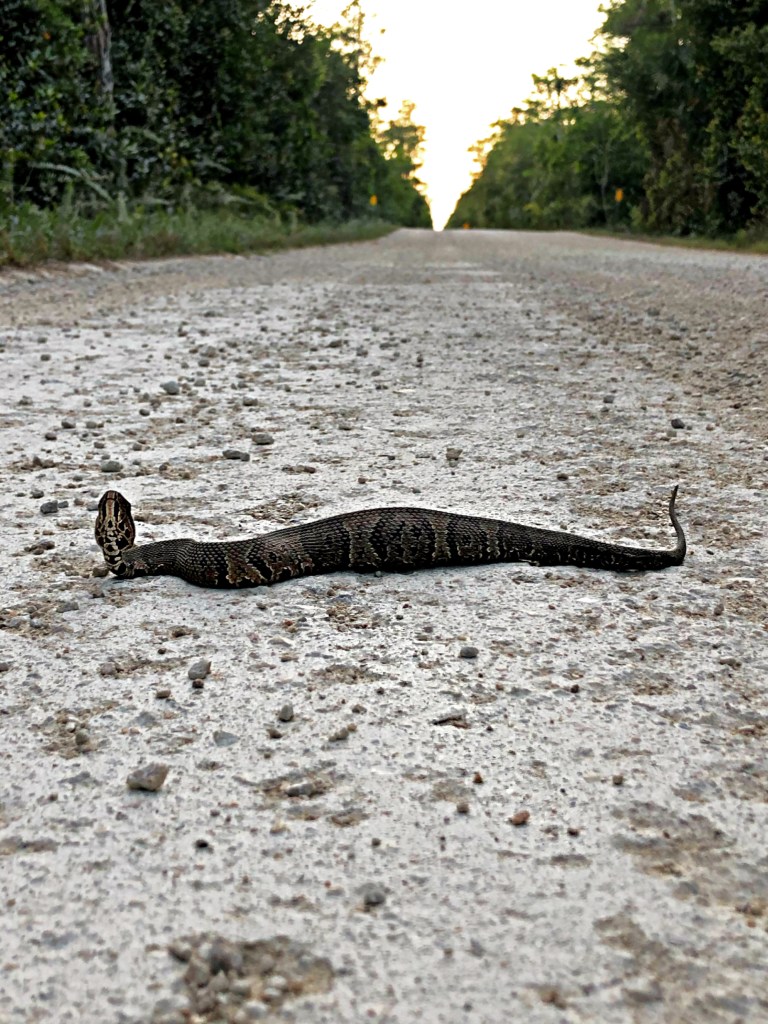
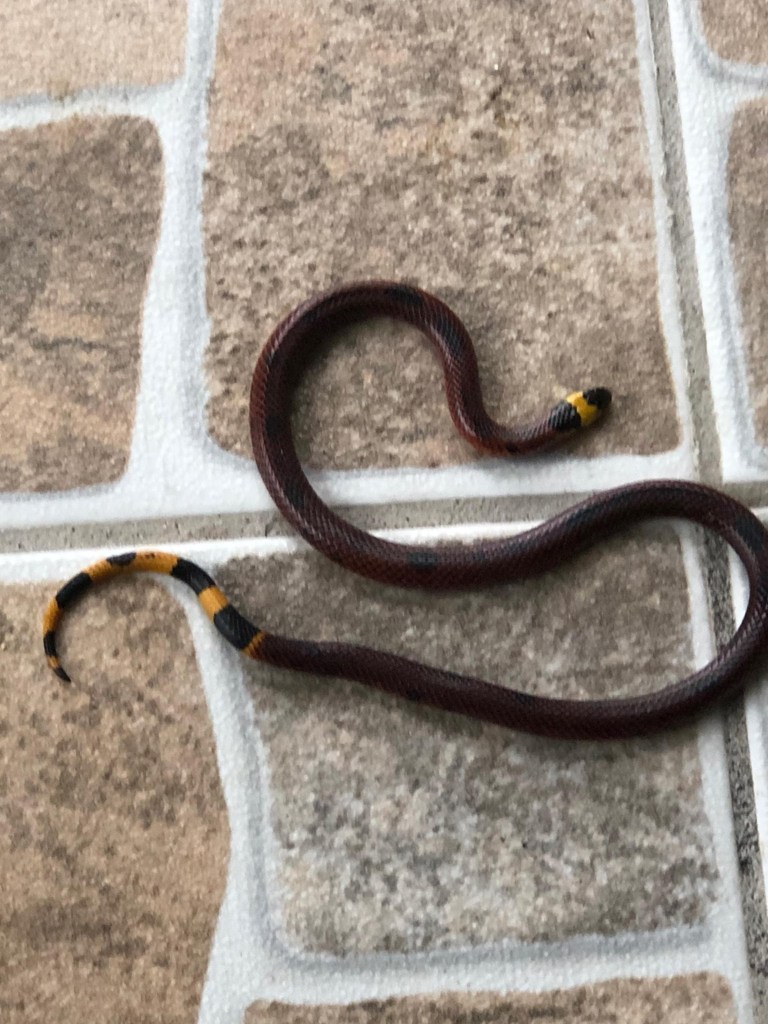
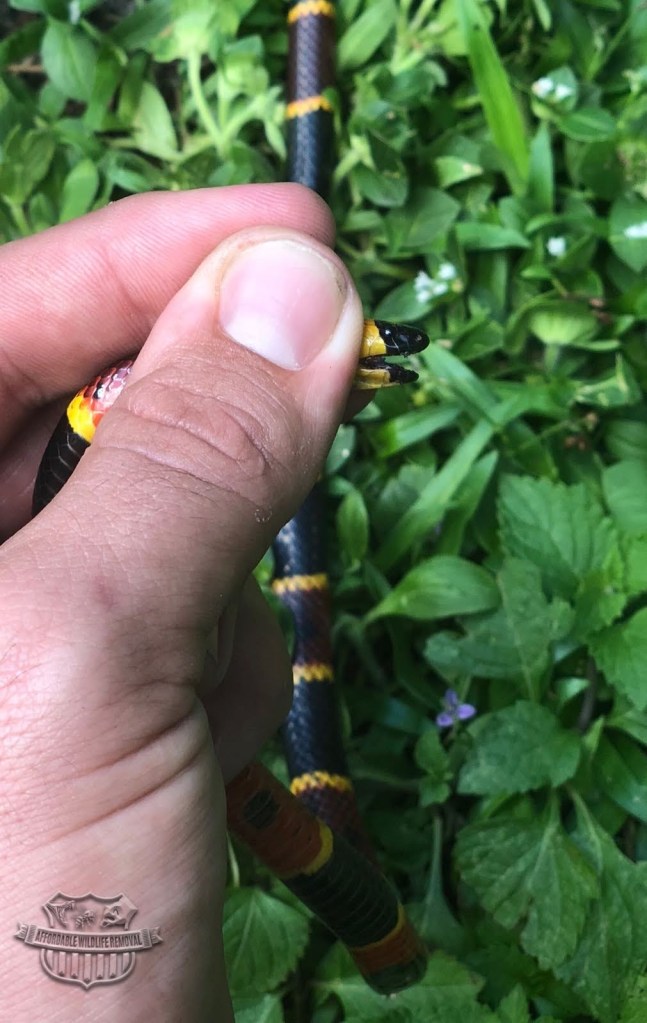
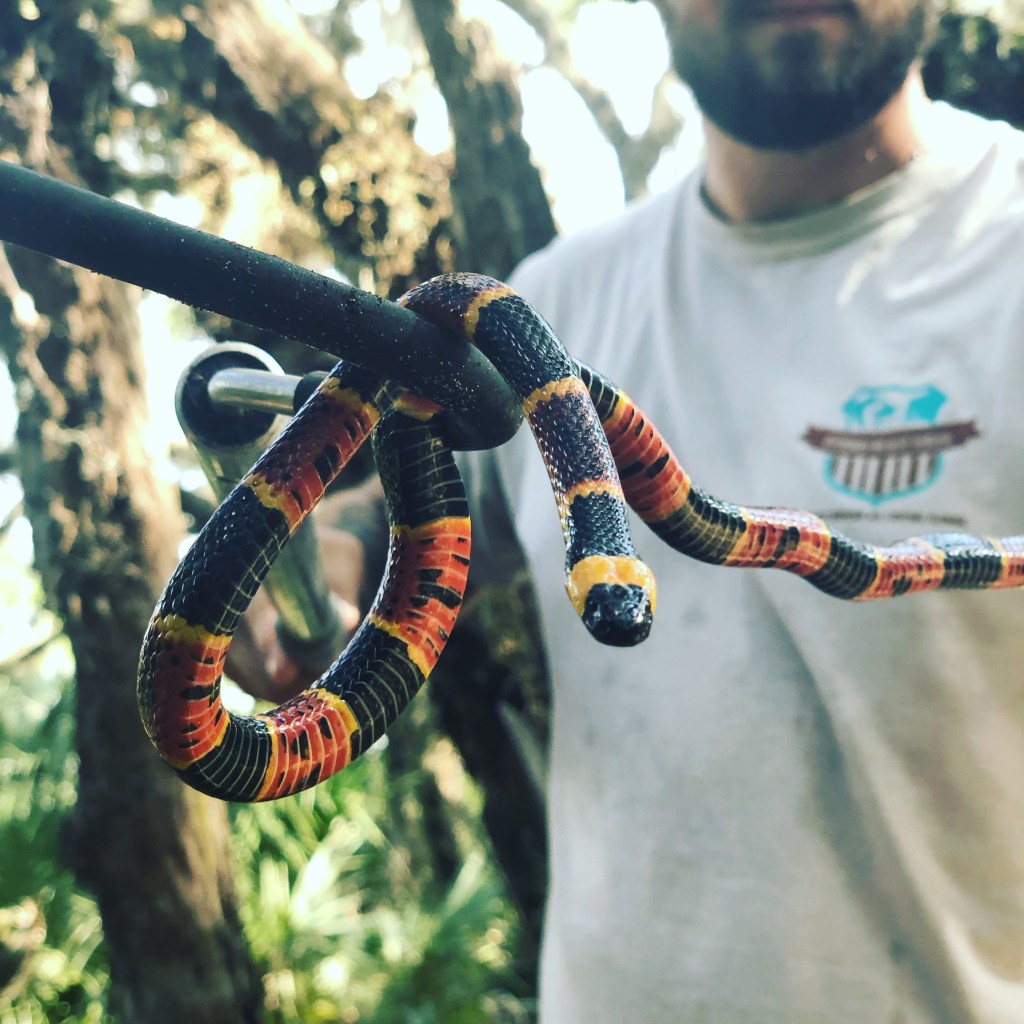
Venomous–
Coral Snakes are technically the most dangerous snake in Florida. With relations to the King Cobra the Coral Snake has a potent neuro toxin venom that shuts down your central nervous system. While yes very dangerous these guys pose little risk to us, because of their docile nature they rarely bite unless being held or messed with. Common misconception is they are rear fanged and have to chew to get their venom into you, but instead they are fixed fang. Another is the rhyme red touches yellow kill a fellow. All snakes can have different patterns so knowing this rhyme may not help if you find one of these rare snakes. It is always best to have a professional handle any snake.
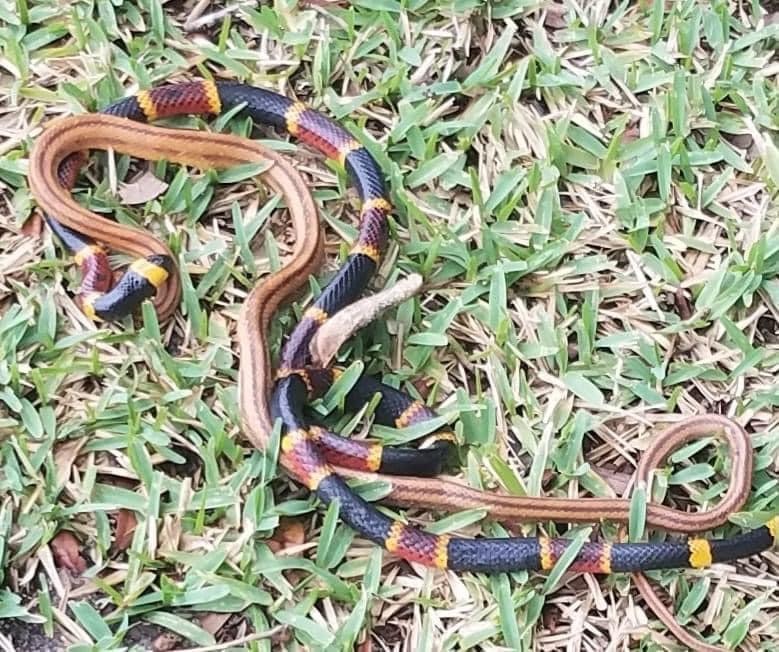
Coral Snakes eat other snakes being in the king snake family that is one of their primary sources of food.

Venomous-
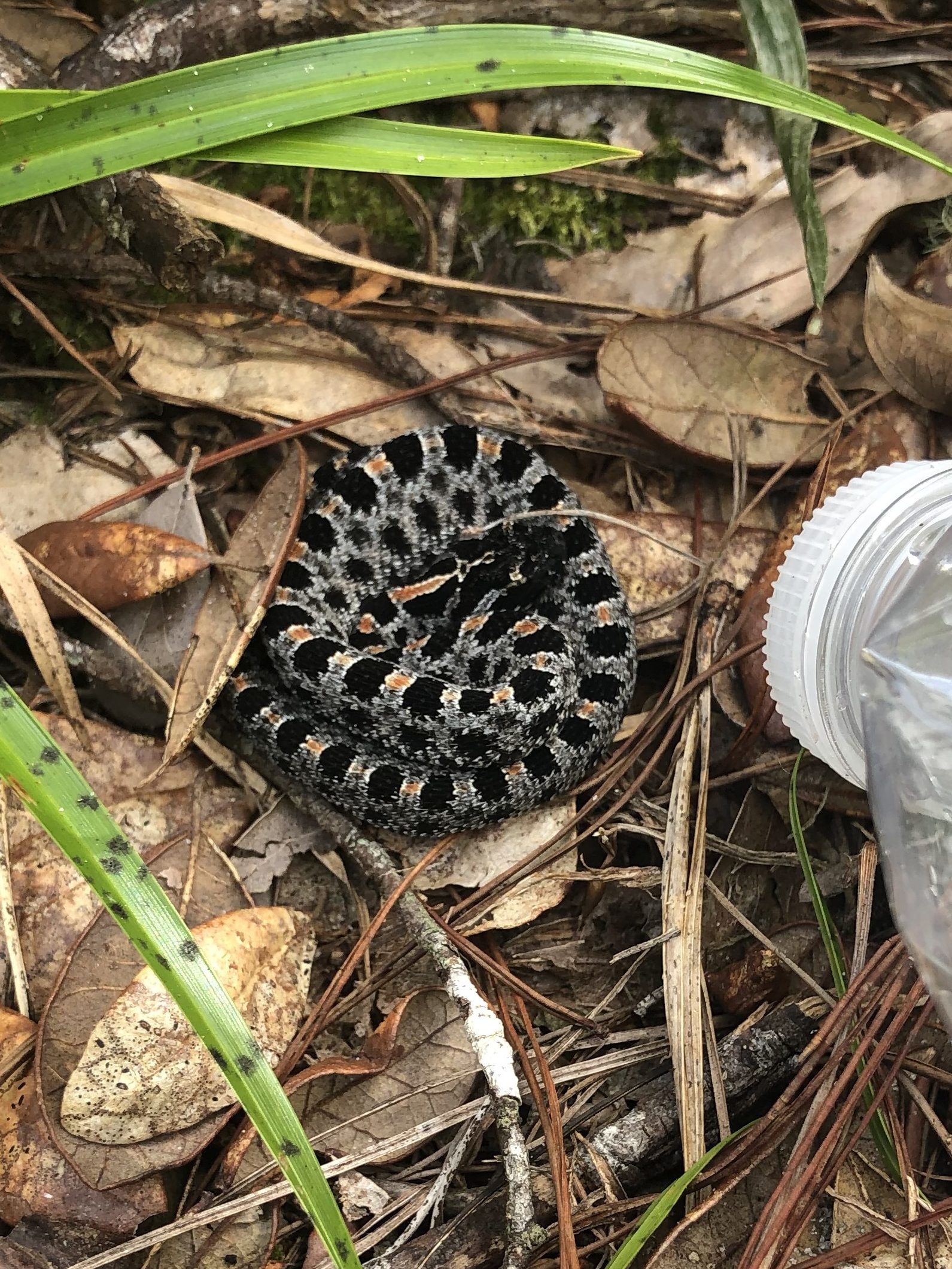
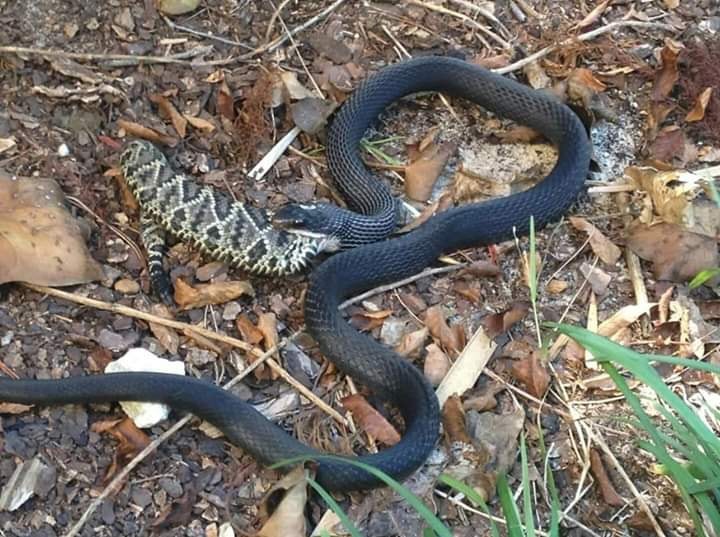
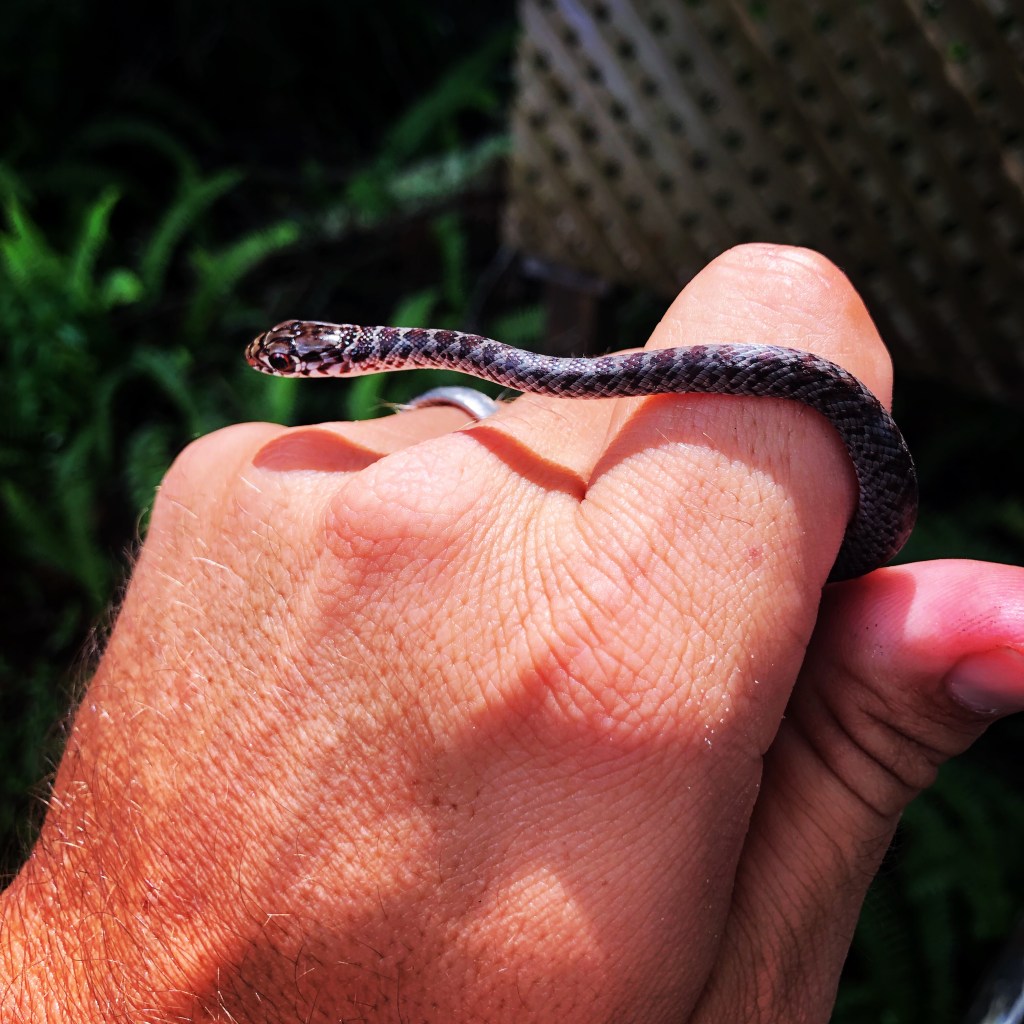
The Pygmy Rattlesnake is one of the smaller venomous snakes we have. They inflict a painful bite with their hemotoxin venom that breaks down the tissue. They have live birth of up to 12 around the size of a half dollar. Their primary diet consists of small lizards and amphibians. The snake most commonly mistaken as the pygmy is the juvenile black racer.
Non Venomous-
The black racer is probably the most common snake in everyone’s yard and property. They feed primarily on lizards, other snakes, frogs, and small rodents. You will see these guys perched in your bushes with their white chin. Some black racers are more of a gray color but again snakes can have different patterns and colorations. As a juvenile they are commonly misidentified as pygmy rattlesnakes. They lose their patterns as they reach mature age.
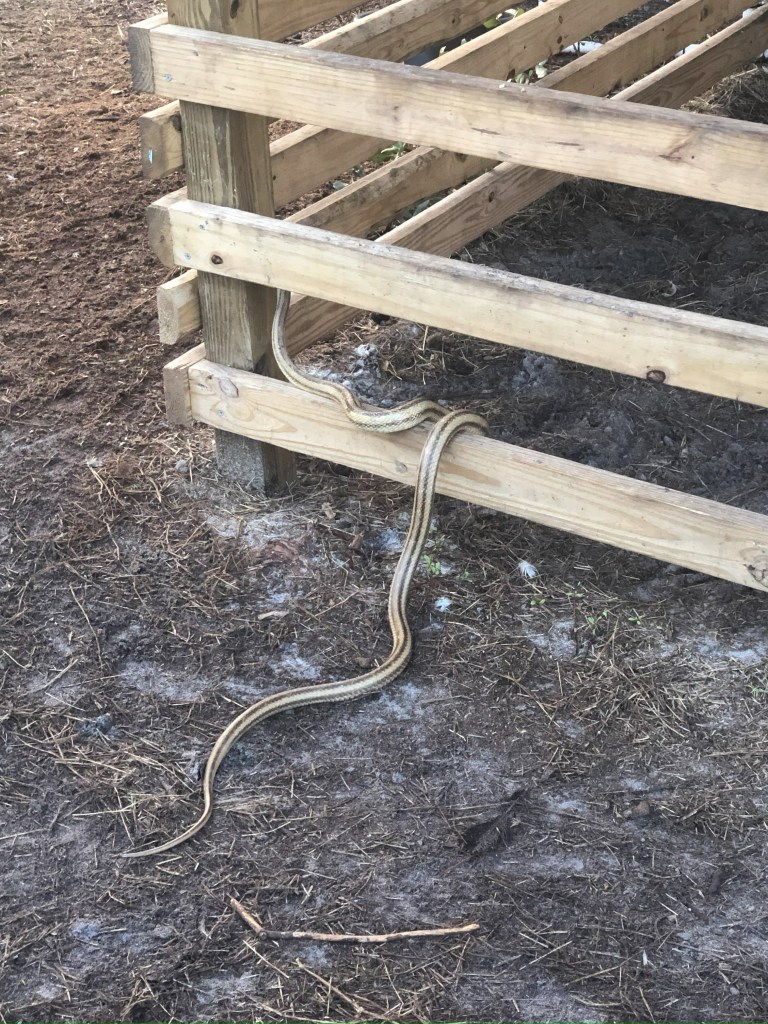

Non Venomous-
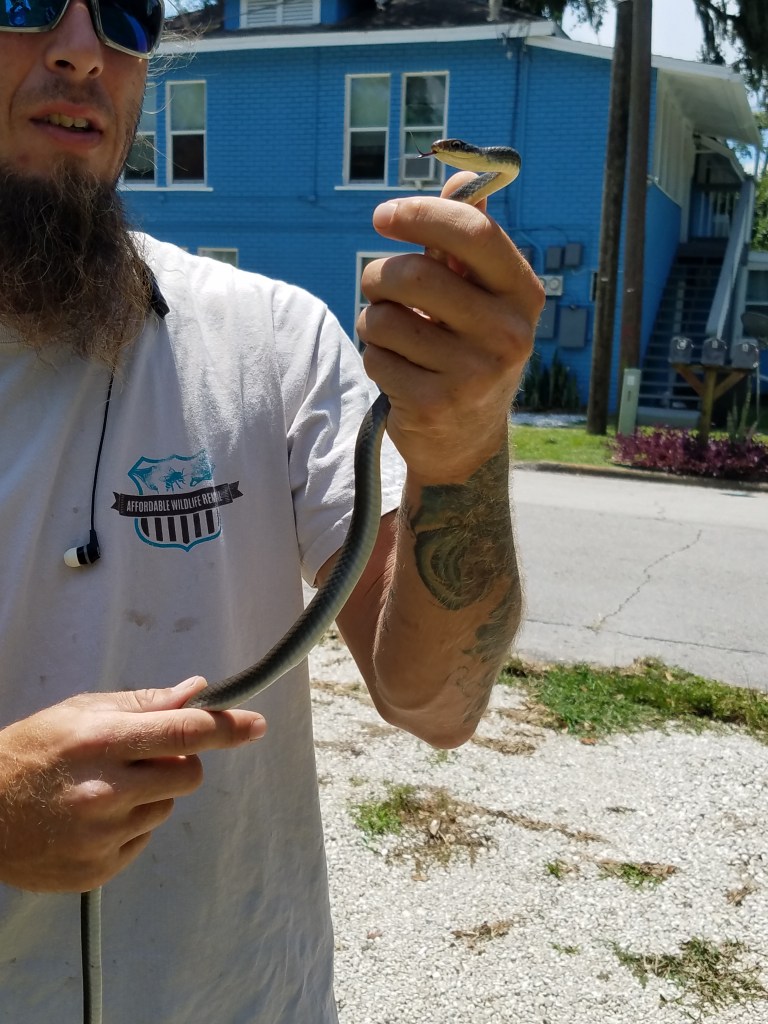
Eastern Yellow Rat Snake also called chicken snakes are a farmers best friend. They keep the rodent population in check and can grow to be over 8′ in length. Not only will they chow down on rodents they have been known to find chicken coops and steal some eggs.
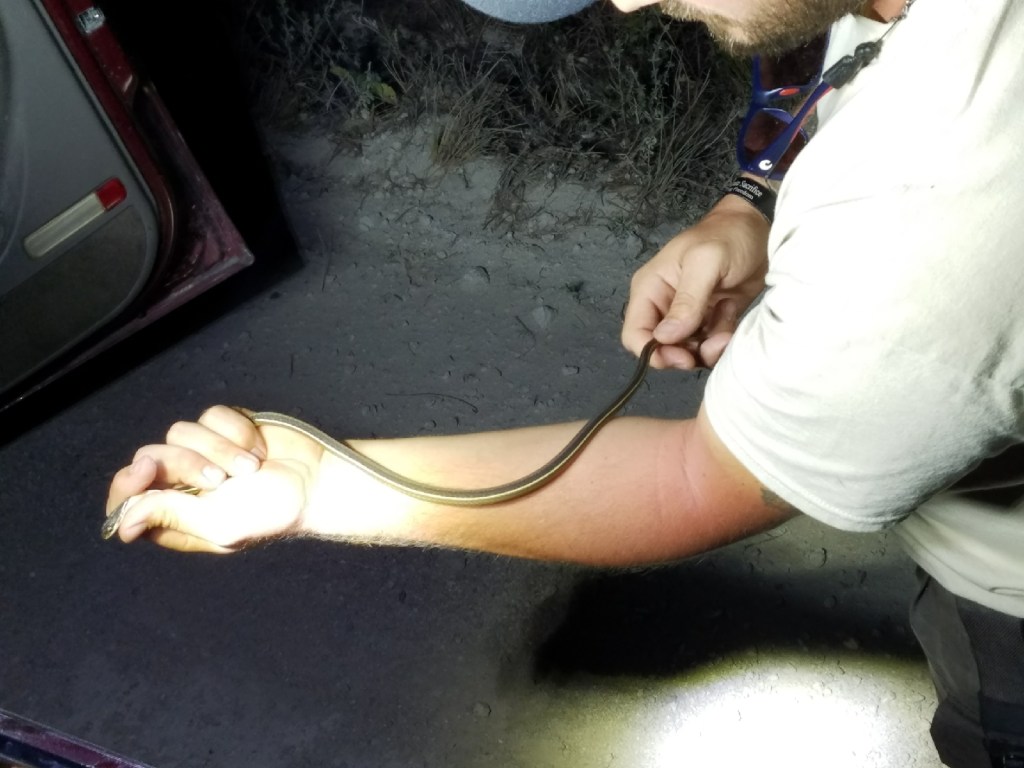
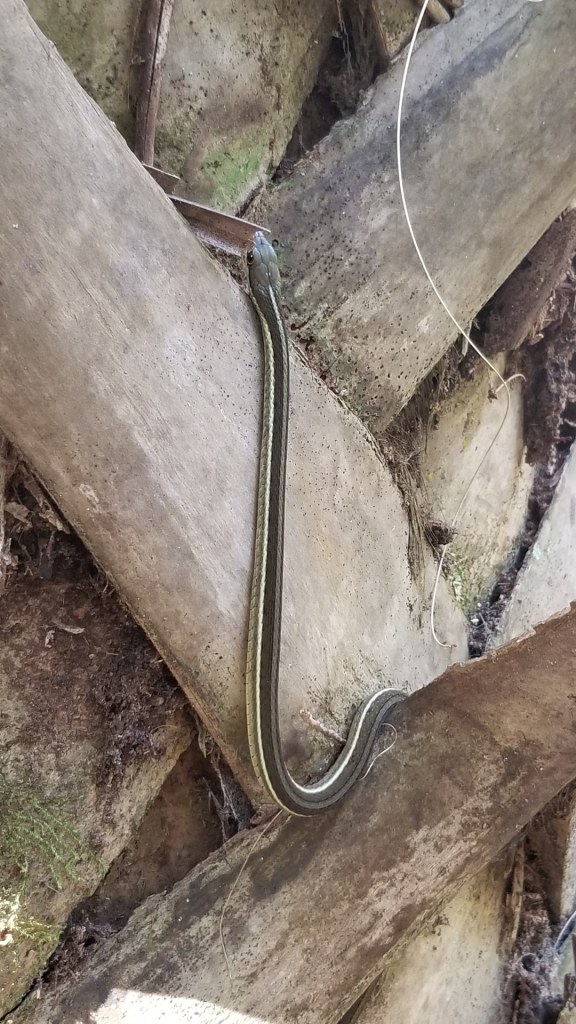
Non Venomous-
Ribbon snakes are small snakes rarely seen in yards. They typically feed on small lizards and insects.
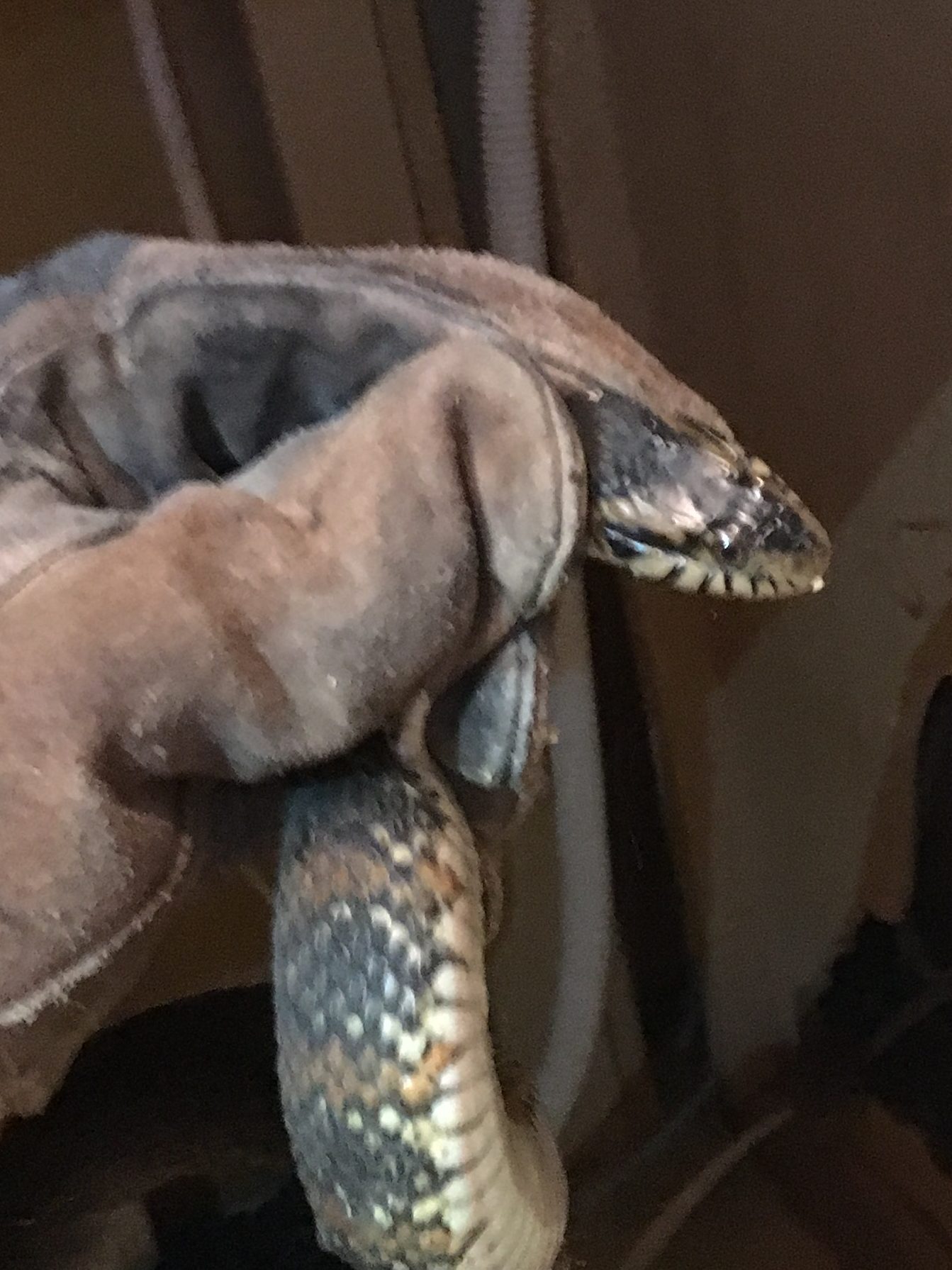
Non Venomous-
Banded water snakes are typically misidentified as water moccasins. They feed primarily on fish, amphibians, and other snakes. These guys are more aggressive than a cottonmouth and that is probably where the bad reputation comes from for the cotton mouth.
Non Venomous-
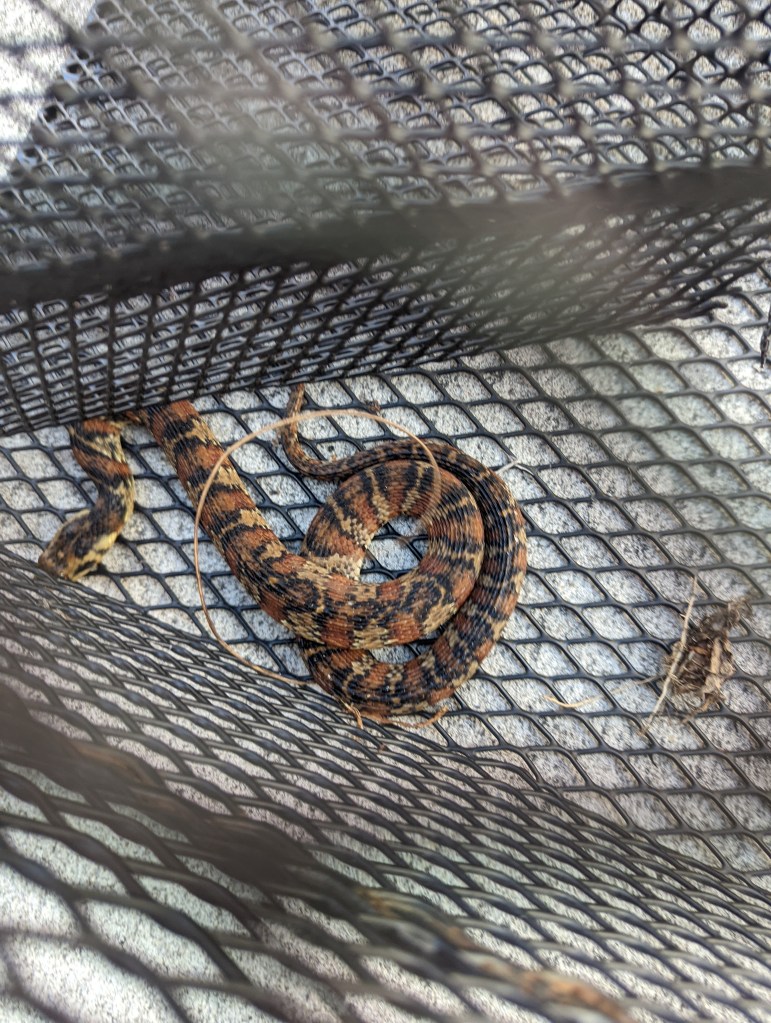
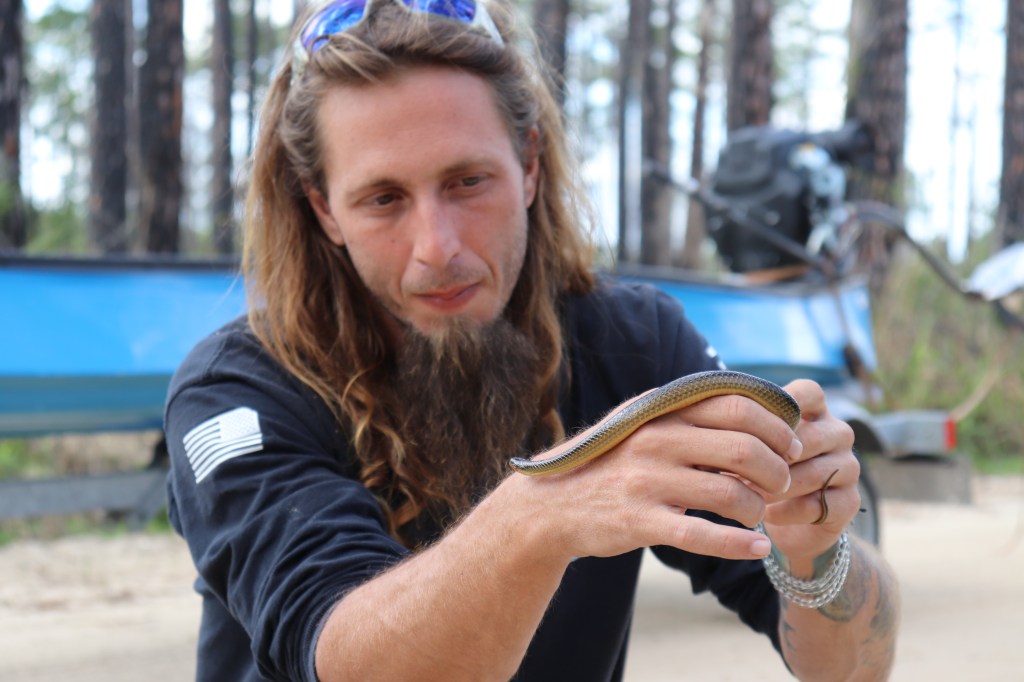
Striped Crayfish Snake very rarely seen commonly found in the swamps feeding on crayfish and small frogs. They actually have chisel like teeth in order to help hold onto the hard shells.

Mildly Venomous-
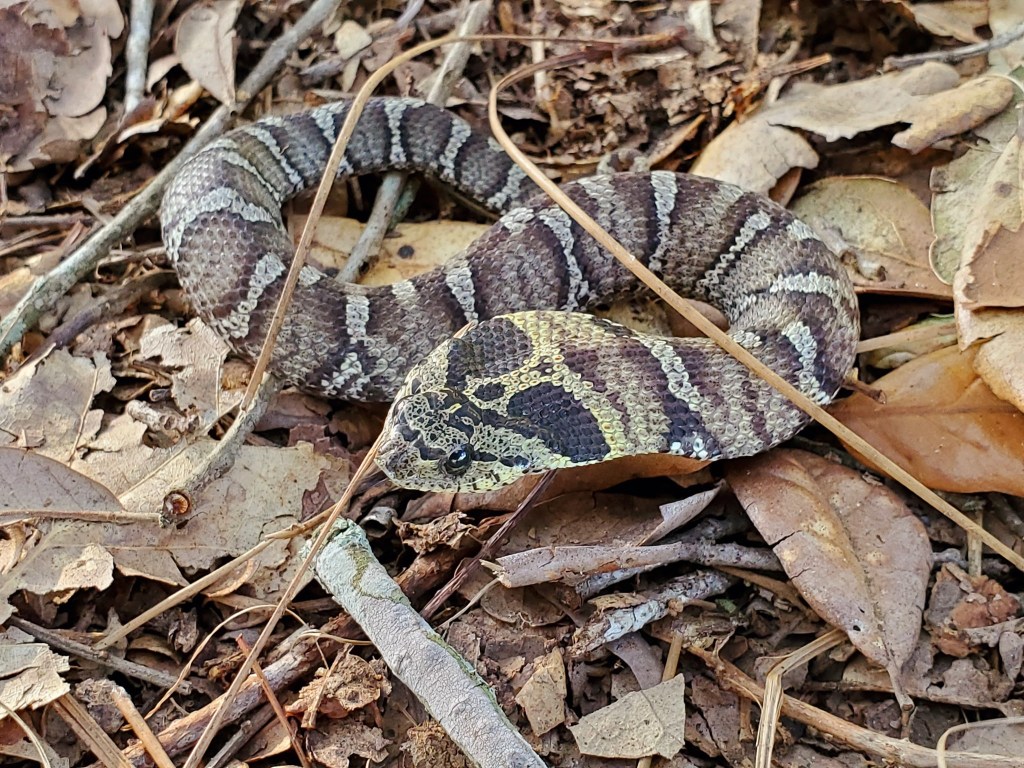
Eastern Hognose also known as the spreading adder or we like to call them little drama snakes. As they like to put on a show of death when they are frightened. That’s right they will fake their death including spinning onto their backs and sticking their tongues out. Not only that they will flatten their head similar to a cobra. They are mildly venomous but pose no significant risk to people. They feed primarily on toads and lizards and use their venom to help subdue them.
Non Venomous-
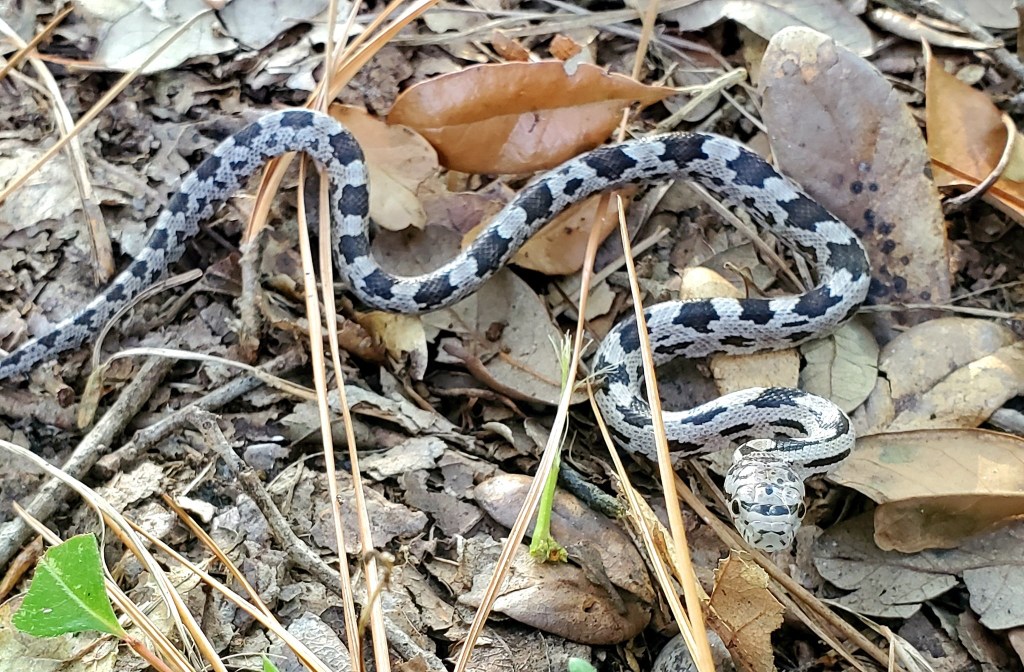
Gray rat snake commonly found in more northern areas of Florida are great rodent eaters.
Non Venomous-
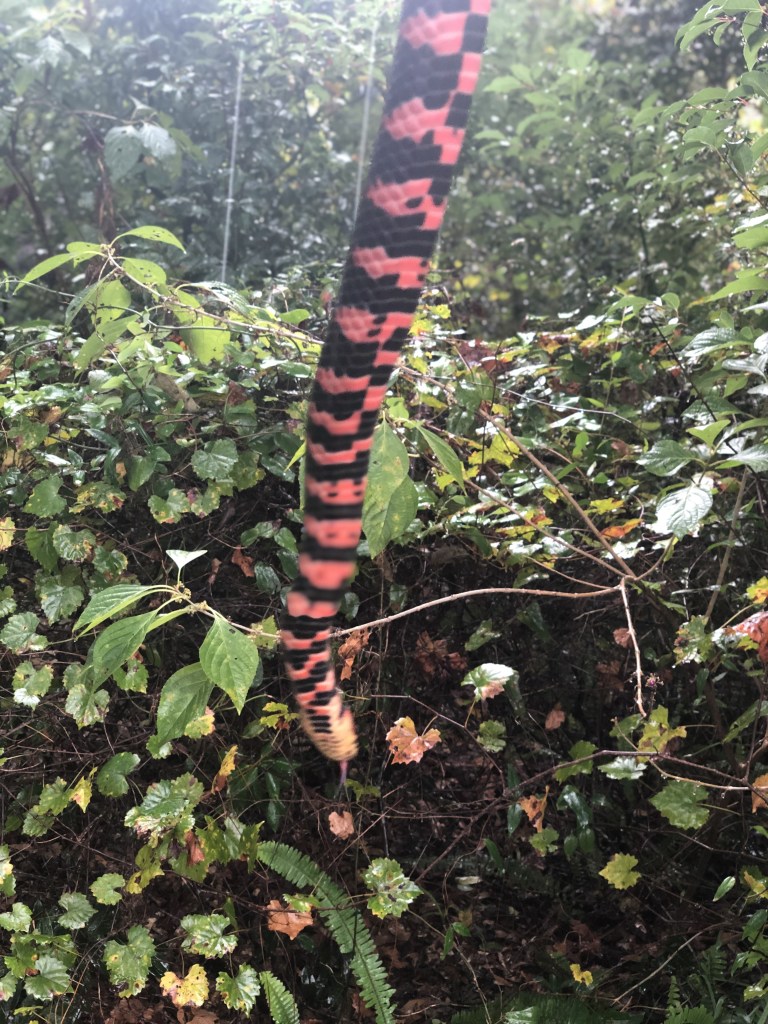
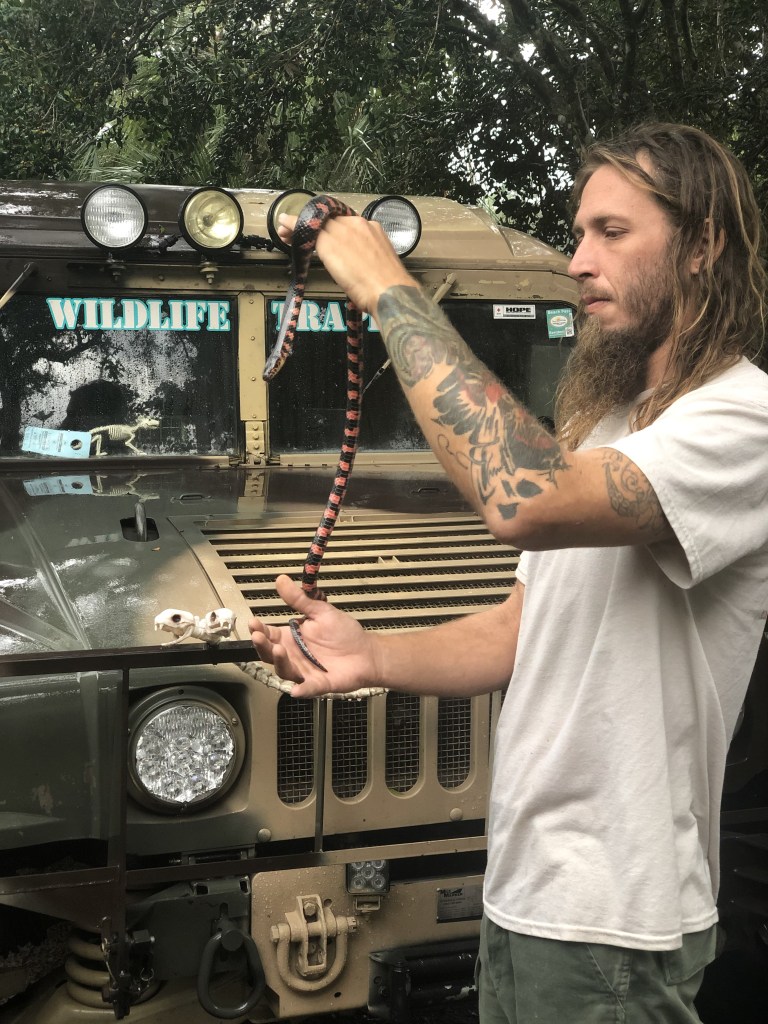
The mud snake are semi aquatic is a gorgeous find in Florida. Feeding primarily on giant salamanders, but also tadpoles.
Non Venomous-
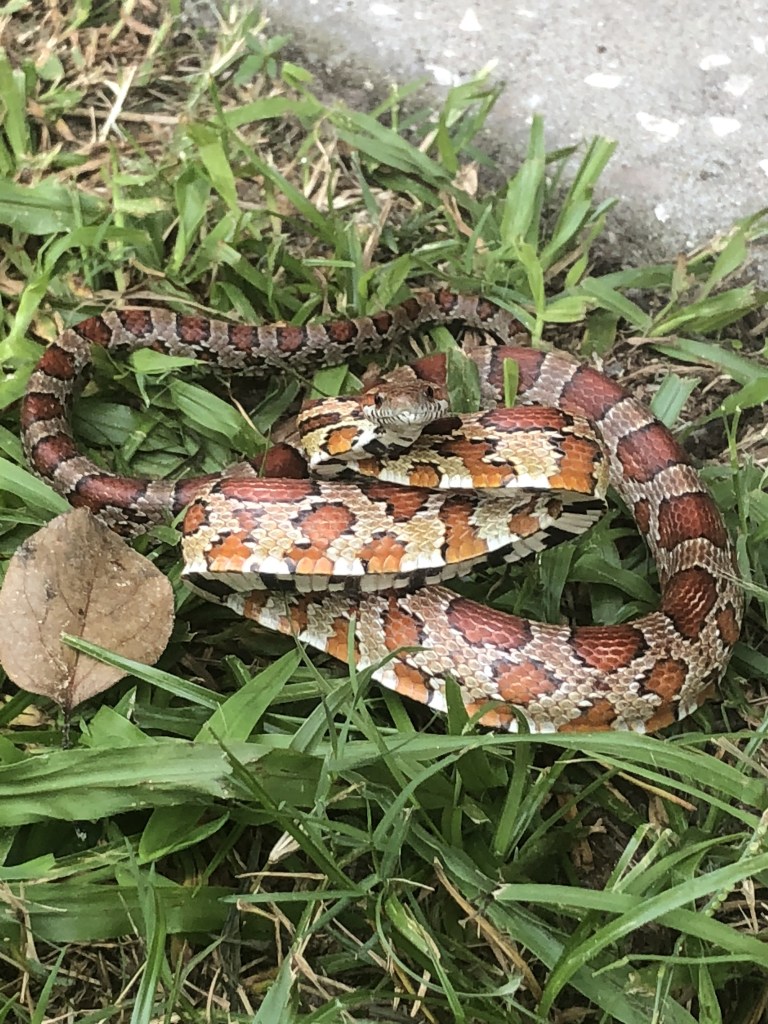
Red rat snake pretty common in lawns and seen crawling up walls or trees. These guys are great climbers. Feeding primarily on lizards, frogs, and small rodents.
Non Venomous-
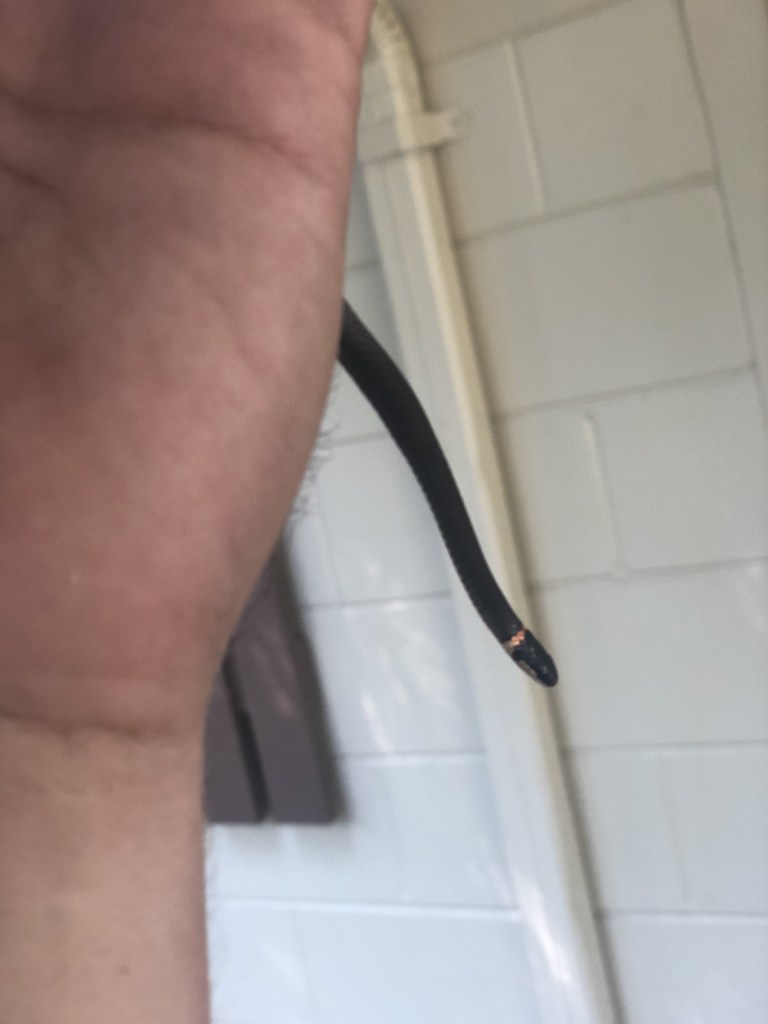
Ring necked snake harmless nocturnal snake that feeds primarily on worms, lizards, and other snakes. They are extremely small typically smaller than a pencil.
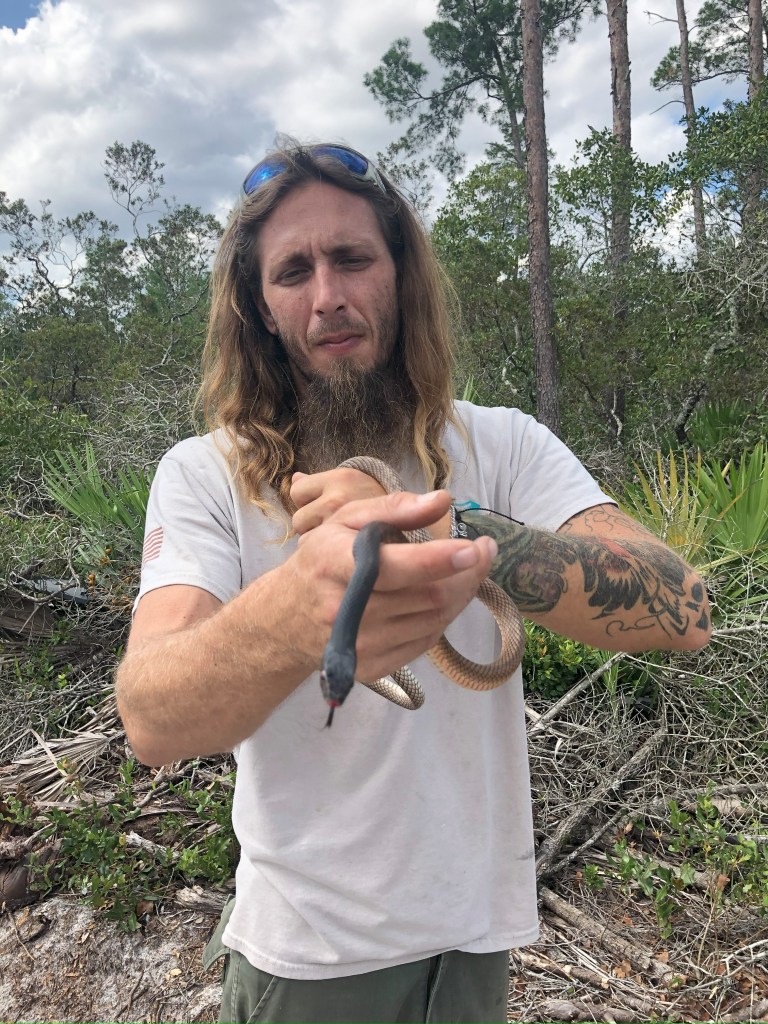
Non Venomous-
The Coach Whip gets their name from the likeliness of their long thin bodies and braided look of their scales to the whips used by cattleman. Feeding primarily on grasshoppers, cicadas, lizards and other snakes.
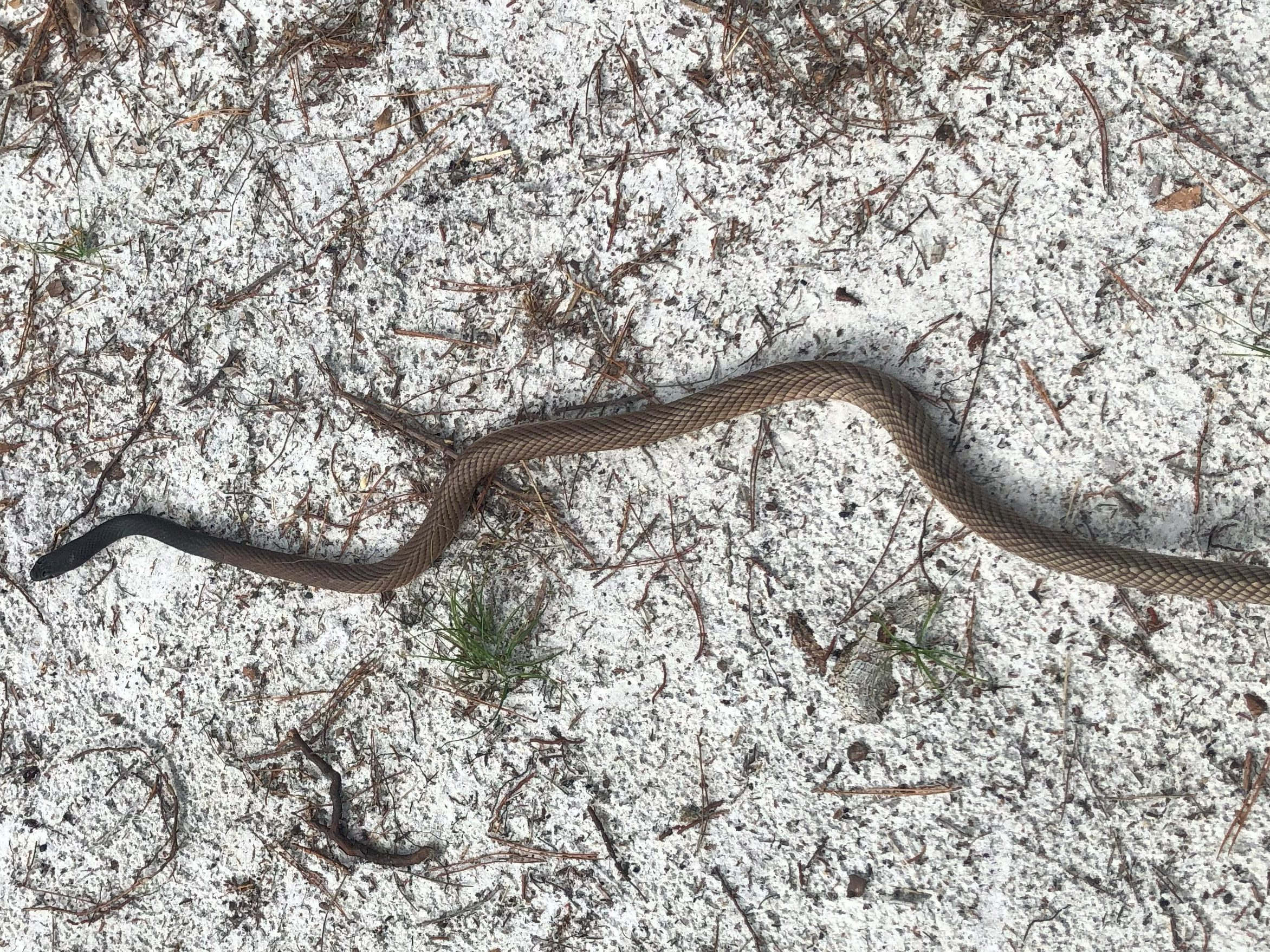
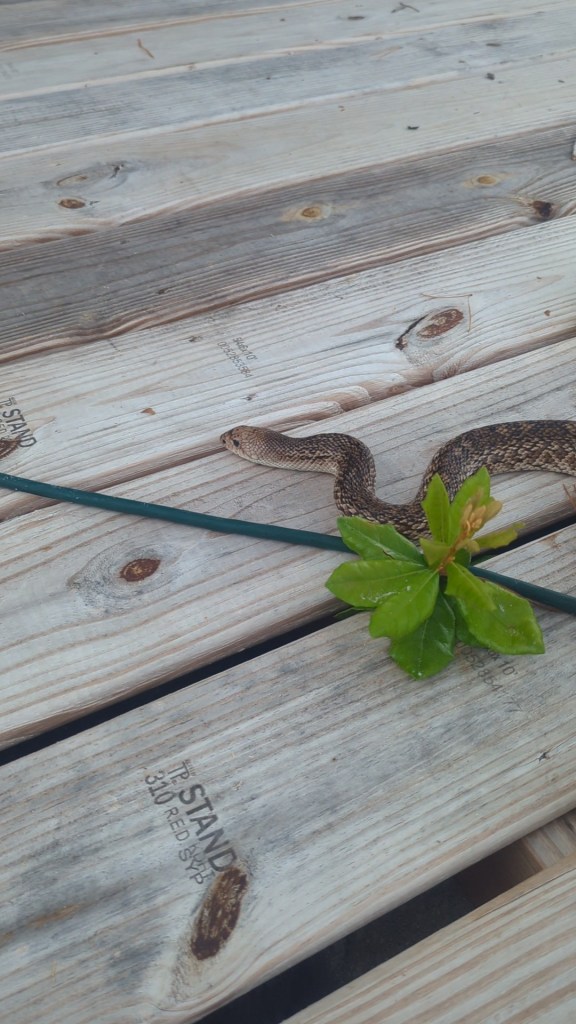
Non Venomous-
Pine snake is a very rare snake, their numbers have been effected due to habitat loss by development. FWC lists them as state designated threatened species. They are one of the largest snakes in North America, reaching over 7 Foot in length. Their diet primarily consists of rabbits, moles, squirrels and other snakes. They live in pine flat areas with sandy soil.
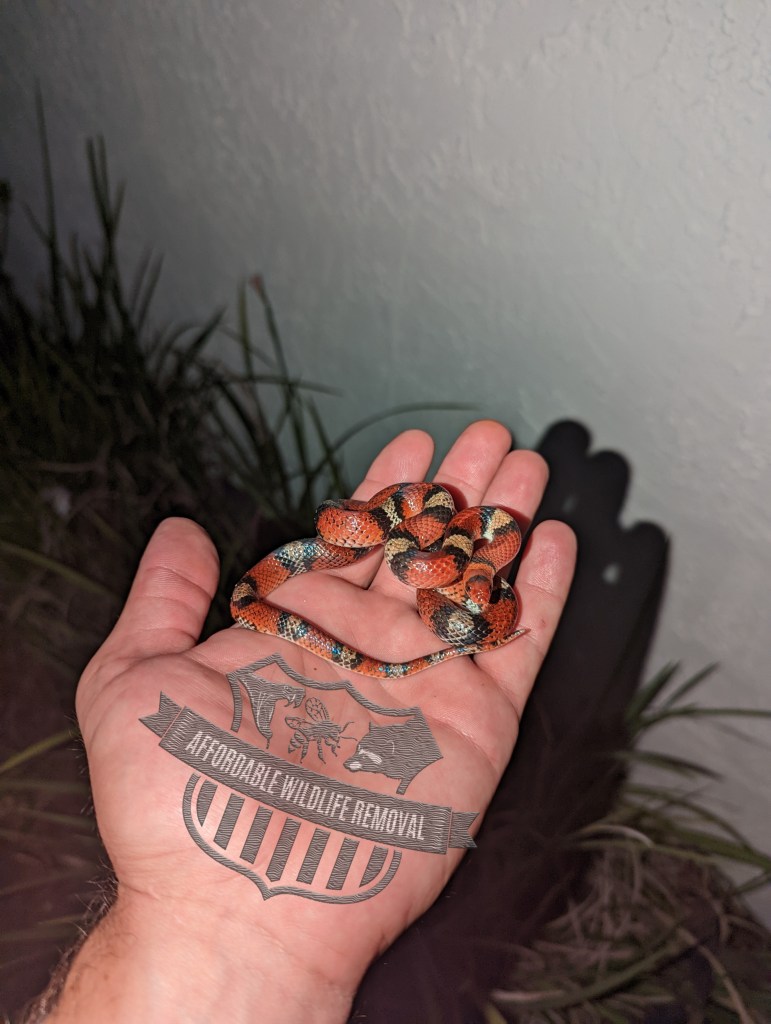
Non Venomous-
Scarlet snake commonly misidentified as a Scarlet Kingsnake and coral snake. The Scarlet Snake has a white belly where the kingsnake has complete circles. Their primary diet consists of lizard eggs and insects. Spending most of their time in loose soil or mulch.
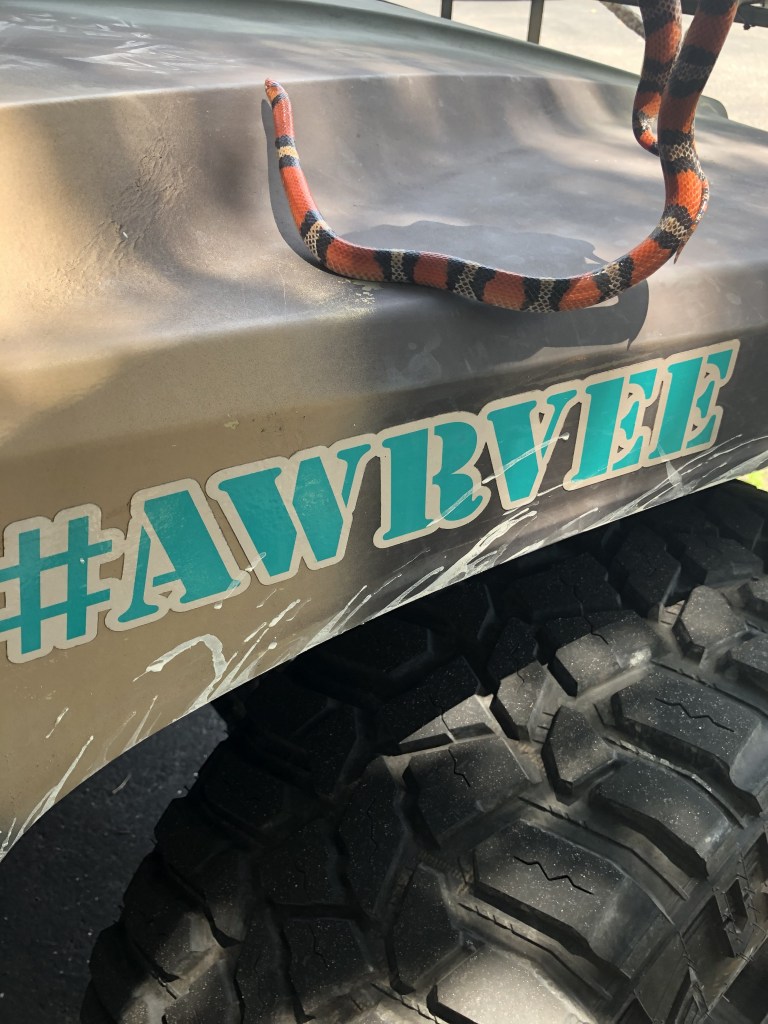
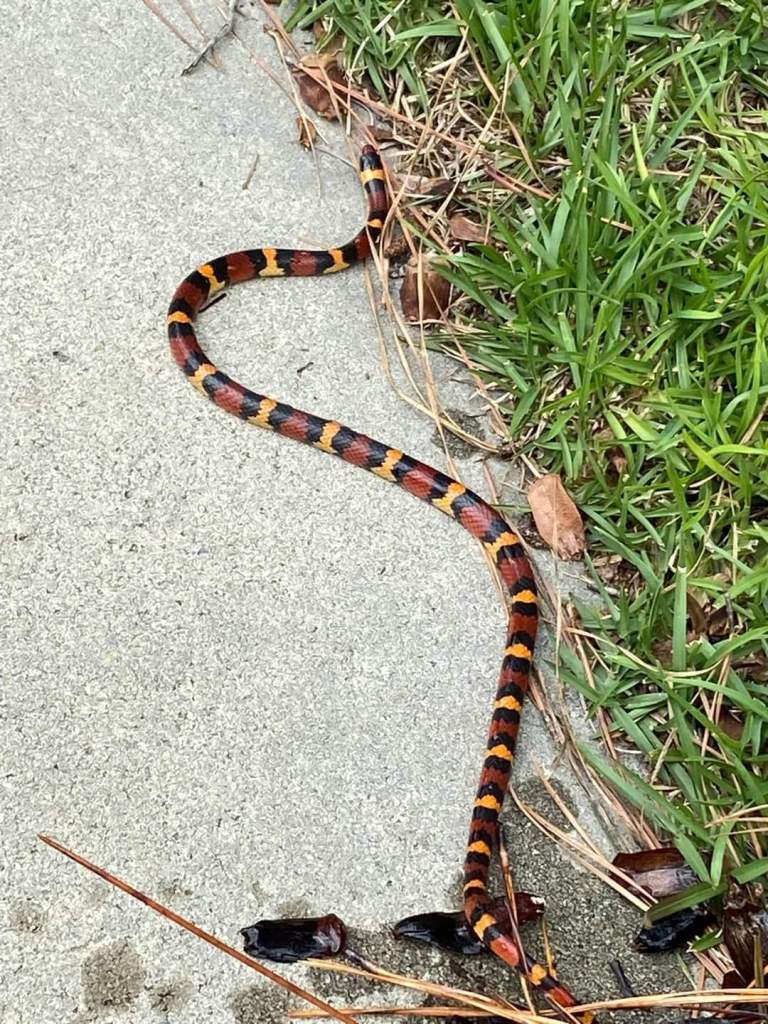
Non Venomous-
Scarlet Kingsnake is a snake eating machine. They feed primarily on other snakes and reach a length of about 3′. Commonly misidentified as a coral snake or scarlet snake.
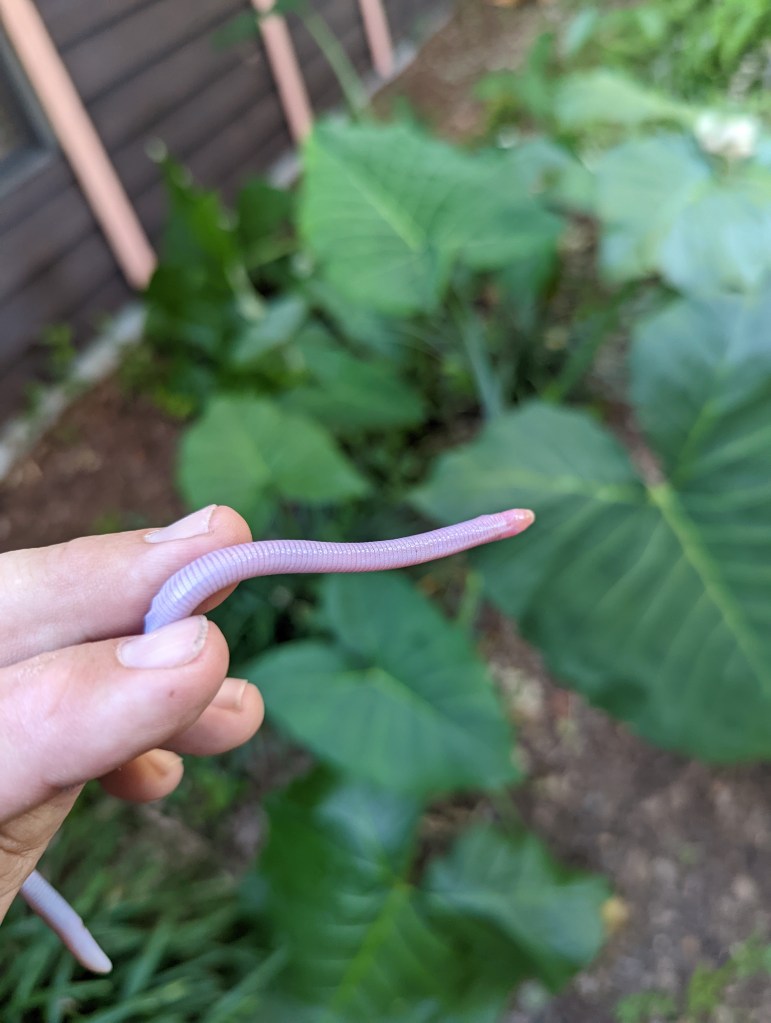
Non Venomous-
The worm snake is often found while gardening. They spend most of their lives underground in search of food, typically earthworms and other insects.
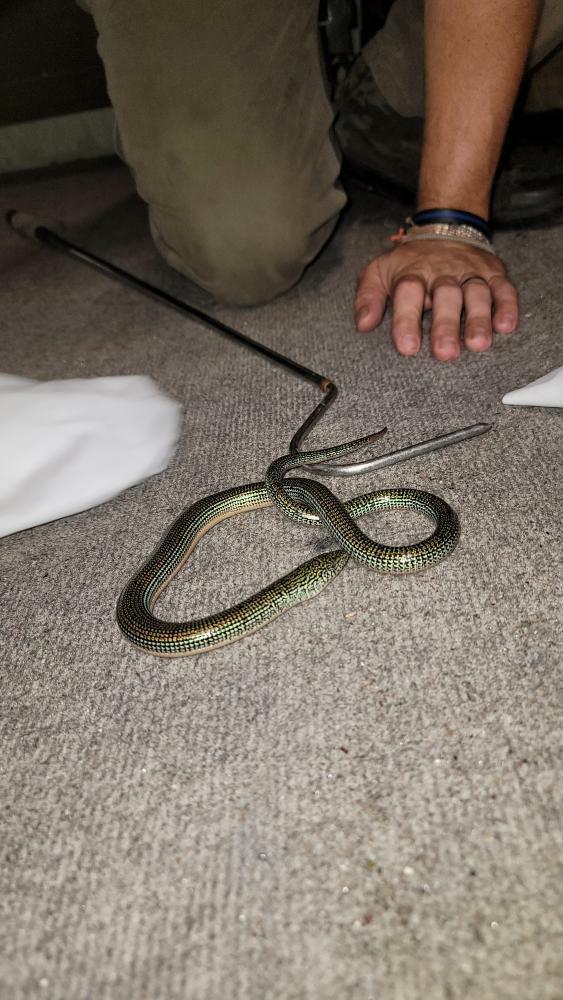
Non Venomous-
Glass snake or legless lizard. It is actually a lizard but more commonly referred to as a snake due to it’s similar features. They feed primarily on worms and other insects.

Non Venomous-
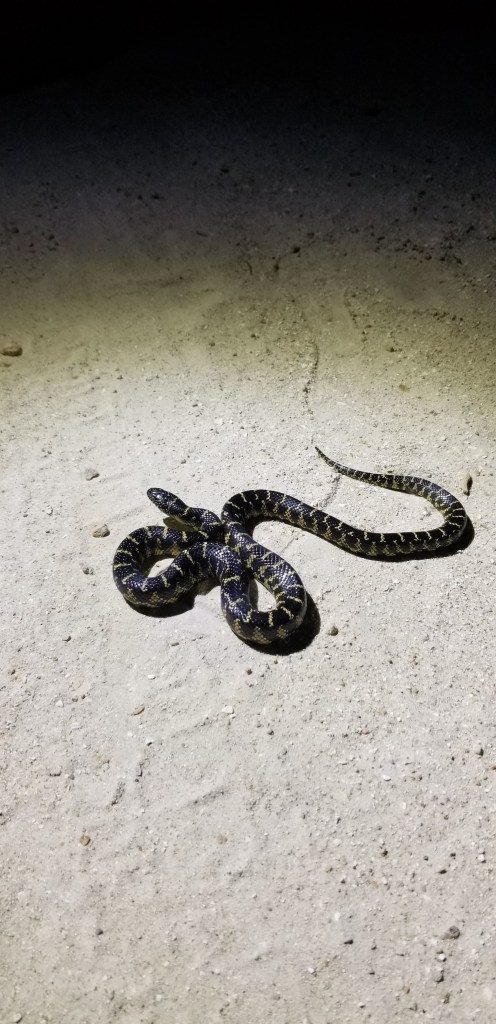
Florida Kingsnake commonly found in southwest Florida. They feed primarily on other snakes and rodents.
Mildly Venomous-
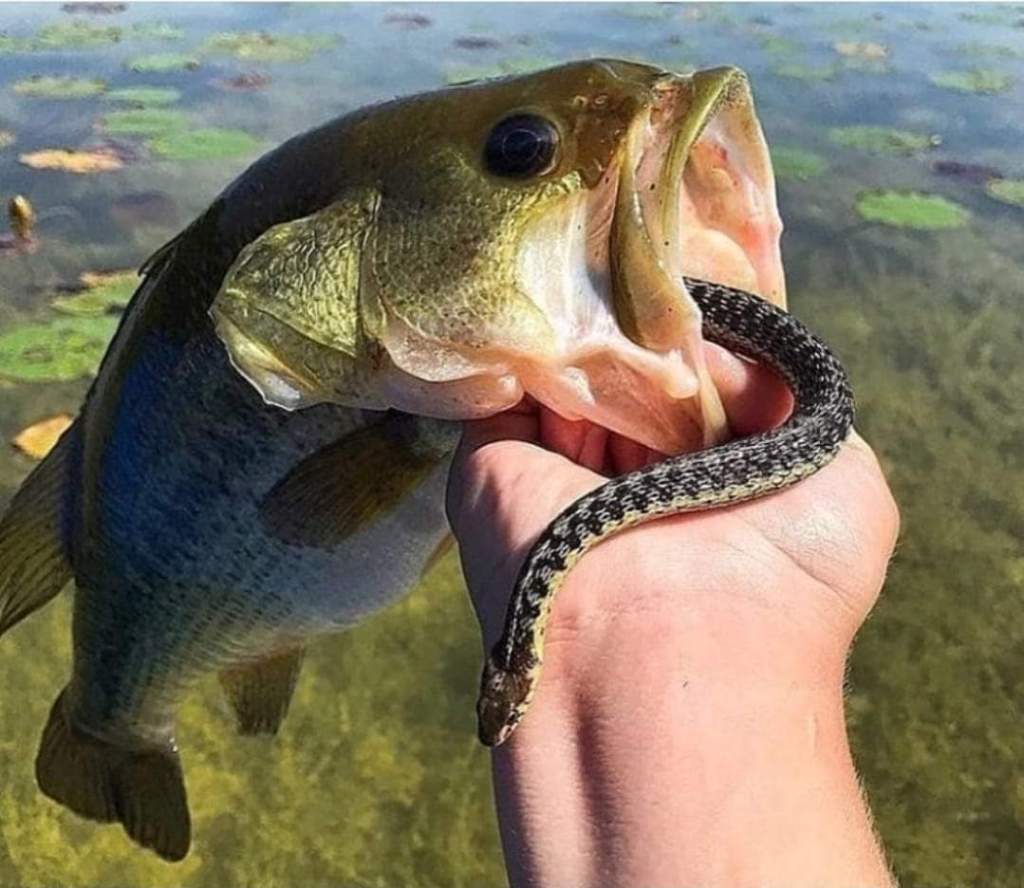
Garter snake commonly called the garden snake. These are mildly venomous snakes that pose no significant risk to people. They use their venom to overtake their prey which is typically frogs and lizards.
- About Affordable Wildlife Removal
- Bat Removal Orlando 321-329-3012
- Discovering Raccoons in Central Florida: Climb Masters, Crafty Minds, and Attic Intrigues
- Expert Flying Squirrel Removal Services for Your Attic
- Facts about Opossums
- Feral Hog Removal Services in Florida – Protecting Your Property
- Identifying Flying Squirrels and Why Choose Us!
- Identifying Muscovy Ducks and Why Choose Affordable Wildlife Removal
- Identifying Pocket Gophers and Why Choose Affordable Wildlife Removal
- Navigating Deceased Wildlife on Private Property: Responsibility in Florida
- Norway Rat Behavior: Daily Travels and Why Affordable Wildlife Removal is Your Solution
- Our Services
- Pocket Gopher or Moles?
- Raccoon Removal
- Reach Affordable Wildlife Removal 321-329-3012
- Rodent Removal Services
- Safeguarding Your Home and Family: Using Homeowners Insurance for Wildlife Removal
- Training and Education
- Understanding Rat Activities in Your Attic
- Why Raccoons Defecate in Pools and How Affordable Wildlife Removal Can Help
- Why Raccoons Enter Attics
 321-329-3012