In the realm of urban wildlife, raccoons have earned quite the reputation as crafty and resourceful creatures. These masked bandits are known for their adaptability and intelligence, traits that have helped them thrive in both rural and urban environments. One common scenario that many homeowners face is finding raccoons making themselves at home in their attic spaces. But why do raccoons choose attics as their nesting grounds? In this blog, we’ll explore the reasons behind this behavior and shed light on the significance of professional wildlife removal services in dealing with these attic invaders.
1. **Safety and Shelter:**
Attics offer raccoons a safe haven from predators and harsh weather conditions. Being arboreal animals, raccoons are naturally drawn to elevated spaces, making attics an ideal refuge. The enclosed environment of an attic provides protection from larger predators, and the warmth helps them survive cold winters.
2. **Breeding and Raising Young:**
Attics provide a quiet, secluded spot for raccoons to give birth and raise their young. Female raccoons seek out cozy and secure spaces to birth and nurse their kits, making an attic’s insulation an attractive nesting material.
3. **Easy Access:**
Raccoons are excellent climbers and agile creatures. They can easily access homes via overhanging branches, utility lines, or other structures that lead to the roof. Once on the roof, they can find vulnerable points of entry into the attic, such as damaged vents, loose shingles, or gaps in the eaves.
4. **Food Sources:**
Human settlements provide a smorgasbord of food options for raccoons. From easily accessible garbage cans to pet food left outside, these omnivores are quick to find and exploit available food sources in residential areas. Attics, with their proximity to human activity, are prime spots for raccoons to establish a steady food supply.
5. **Territorial Behavior:**
Male raccoons, especially during mating season, can exhibit territorial behavior. Attics become appealing as they offer a secure and defensible territory. This behavior often leads to conflicts between raccoons and homeowners when males defend their chosen nesting spot.
Conclusion:
While raccoons might be intriguing creatures from a distance, having them take up residence in your attic can lead to a host of problems. From structural damage and insulation contamination to health concerns due to droppings and parasites, the consequences of raccoon infestations can be significant. If you find signs of raccoon activity in your attic, seeking the assistance of a professional wildlife removal company is crucial. Their expertise ensures humane removal and relocation of the animals, as well as addressing potential entry points to prevent future infestations. Remember, coexisting with wildlife means finding a balance that ensures both their well-being and the integrity of your home.
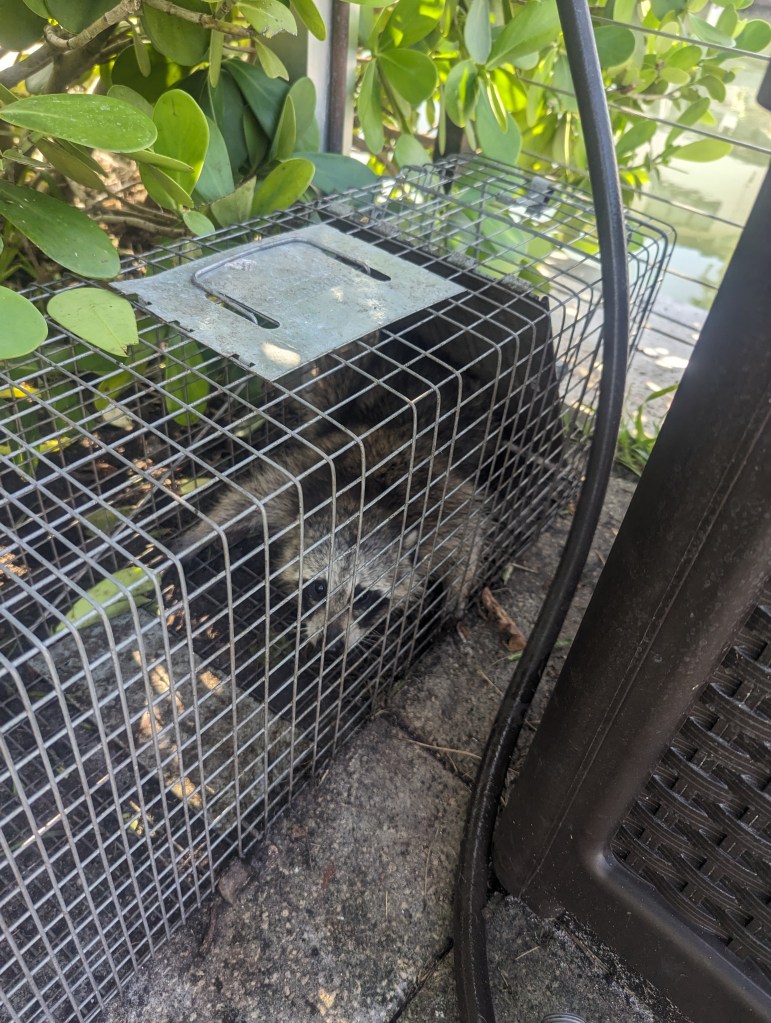
Not only were these raccoons inside the clients attic they were also defecating in their pool!

 321-329-3012